“The land where humanity has attained its highest towards gentleness, towards generosity, towards purity, towards calmness – it is India.” – Swami-Vivekananda
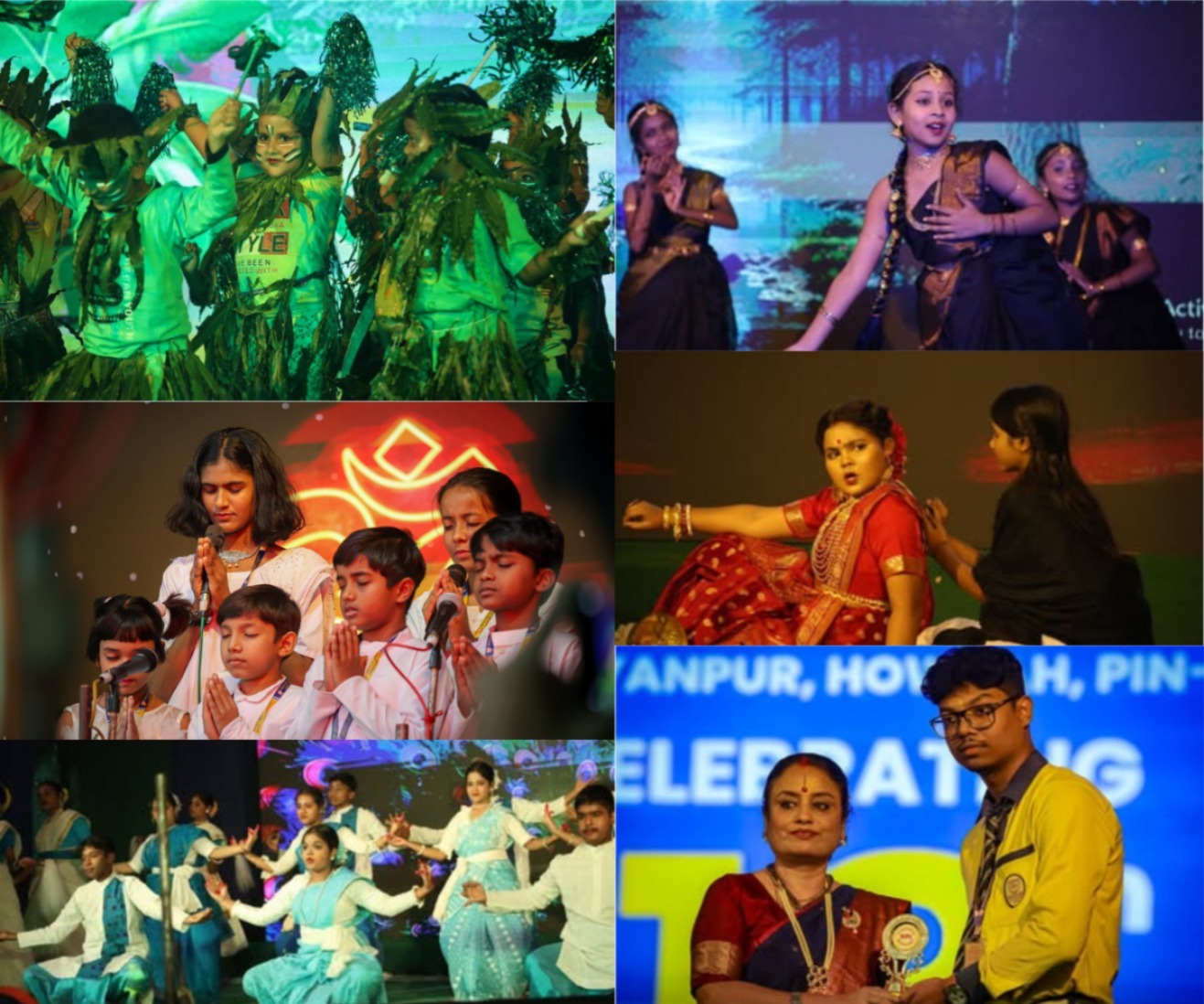
Culture holds a place of great significance within a school community. It is not merely a collection of traditions or celebrations but a powerful force that shapes values, identities, and relationships. When a school embraces culture with respect and sincerity, it creates a nurturing environment where every student feels included and appreciated.
To begin with, culture helps students understand and honour their own identity. When schools encourage cultural expressions through art, music, literature, language, and traditional activities, students feel proud of their heritage. This sense of belonging strengthens their confidence and helps them grow with dignity.
A school is a beautiful gathering of students from diverse backgrounds. By promoting cultural understanding, schools gently guide students to respect every individual, regardless of religion, language, or community. Such respectful learning fosters harmony and teaches students the value of empathy and acceptance.
In today’s interconnected world, cultural awareness also prepares students for the global society. When children learn about different cultures with an open mind, they become more adaptable, thoughtful, and prepared to interact kindly with people from all walks of life.
Moreover, culture plays an important role in developing creativity and imagination. Activities such as painting, dance, drama, storytelling, and craftwork allow students to express themselves freely. These experiences encourage independent thinking, build confidence, and help students discover their unique talents.
Cultural events further teach valuable lessons in cooperation and teamwork. When students participate in celebrations, exhibitions, and school programmes, they learn to work together respectfully, listen to others, and appreciate every contribution.
Above all, culture adds warmth and joy to school life. It transforms the school environment into a vibrant and welcoming space where learning becomes a happy experience.
In essence, culture in schools nurtures responsible, compassionate, and confident individuals who carry the values of respect, unity, and understanding throughout their lives.
Traditional Indian culture is a treasure of wisdom, harmony, and shared values. It teaches respect for elders, love for nature, and unity among diverse communities. Within this rich heritage, the culture of West Bengal holds a special charm. Known for its literature, music, dance, festivals, and artistic traditions, Bengal reflects grace, creativity, and intellectual depth. Celebrations like Durga Puja, the melodies of Rabindra Sangeet, and the state’s love for art and learning inspire students to appreciate beauty, compassion, and cultural pride. This heritage nurtures character and enriches the school environment with warmth and meaning.